
Car Key Cutting in Reading
Precision cutting for standard and laser-cut car keys, done on-site with mobile equipment across Reading and Berkshire.
- Available 24/7
- No call-out fee
- [Owner] attends personally

Not filed by eye or guessed from wear patterns.
The Physical Side of a Key, Done Properly
Cutting is the mechanical half of making a car key work: shaping a blade precisely enough to turn a lock or ignition barrel cleanly. [Owner] cuts standard and laser-cut blades on-site using mobile precision equipment across Reading and Berkshire, whether it’s a one-off cut or part of a larger job.
On most modern vehicles, cutting is only part of the picture; the electronic side still needs handling separately (see car key programming). If you need both a new key cut and programmed together, that’s usually simplest as car key replacement.
Not Every Blade Cuts the Same Way
The cutting method depends entirely on the blade type fitted to your key.
Standard Blades
Cut along the edge: the simplest and quickest type to duplicate accurately.
Laser-Cut Blades
Grooves cut into both faces rather than the edge, needing purpose-built laser-cutting equipment.
Dimple Keys
Cut with round dimples rather than a shaped edge, common on some higher-security systems.
Tibbe & Specialist Blades
Rotating or unusually profiled blades used by some manufacturers, needing the matching specialist cutter.
When Cutting Alone Is the Right Call
A blank key with no electronics
Some older vehicles and non-electronic keys just need an accurate cut, with no programming required at all.
A worn or damaged blade on an otherwise working key
If the electronic side still works fine, only the blade needs re-cutting, not a full new key or reprogramming.
A key that's already programmed but the blade broke
The electronic part of the key can sometimes be re-housed with a freshly cut blade rather than starting over. See broken key extraction if a piece is stuck in the lock too.
Part of a larger replacement or spare-key job
Most full replacements and spare keys include cutting as one step, not a separate visit.
How Car Key Cutting Works
Four steps, usually the quickest of [Owner]’s key services.
Blade type identified
[Owner] confirms whether it’s a standard, laser-cut, dimple or specialist blade before attending.
Vehicle or key code referenced
Cut either from an existing key or from the vehicle’s own code where available.
Blade cut on-site
Precision mobile cutting equipment shapes the new blade to match exactly.
Tested in the lock or ignition
The cut key is checked for a smooth, correct turn before [Owner] leaves.
Is It the Cut, or the Lock Itself?
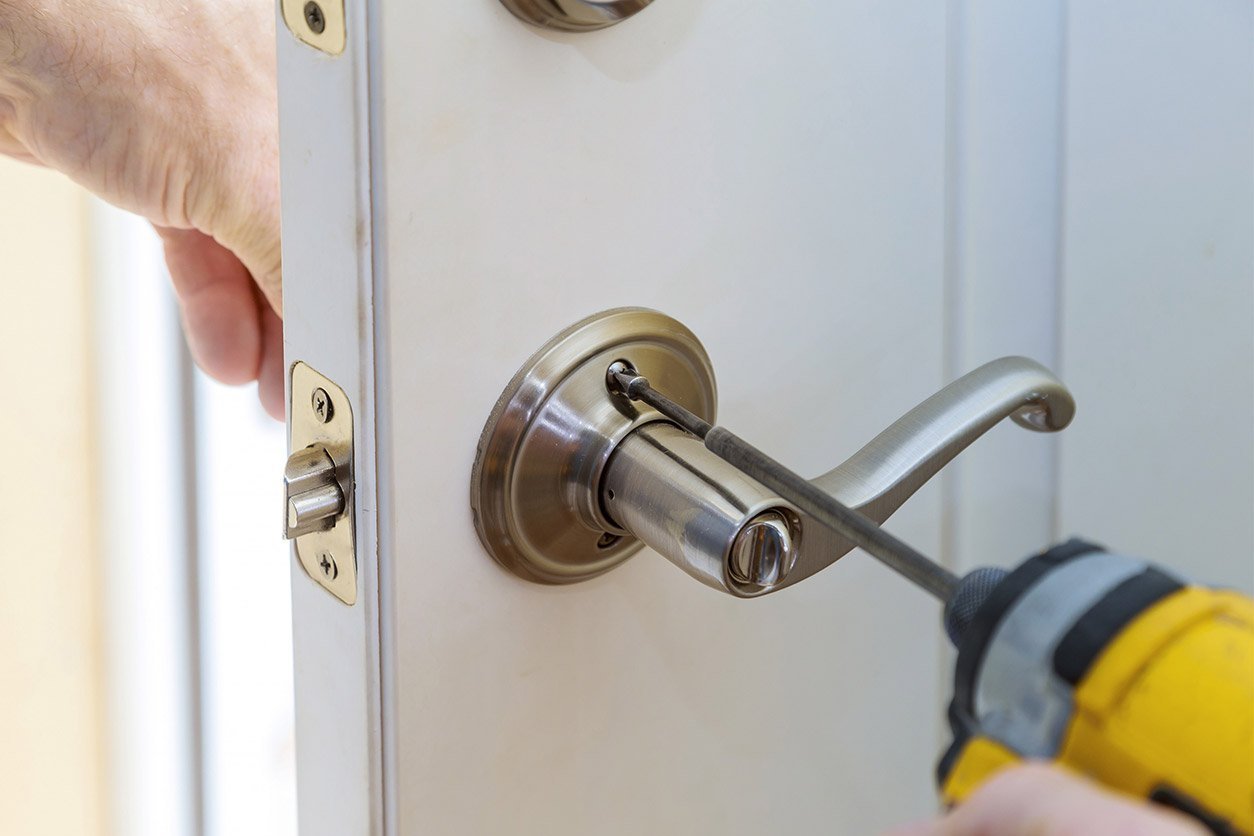
A key that’s suddenly stiff or awkward to turn isn’t always a cutting problem. Worn locks or ignition barrels can make even a correctly cut key feel wrong, and re-cutting won’t fix a lock that’s the real issue.
[Owner] checks which is actually happening before assuming the key needs re-cutting. Sometimes the fix is on the ignition and steering lock side instead.
Why Precision Cutting Matters More Than It Looks
A car key blade looks simple, but the tolerances involved are tighter than most people expect. A cut that’s even slightly off can still go into the lock, which is exactly why a poor cut is often more expensive to live with than it first seems.
Premature lock wear
A slightly wrong cut can wear down the pins or wafers inside a lock every time it’s used, eventually affecting every key that fits it.
Intermittent sticking
A blade that’s just fractions of a millimetre out can turn fine most of the time but occasionally jam, which is hard to diagnose later.
Snapping under strain
An imprecise cut concentrates stress unevenly along the blade, increasing the risk of it breaking inside the lock.
Programming issues down the line
On keys with electronics built in, a badly fitted cut can stress the housing enough to affect the chip or fob mechanism over time.
Mobile precision equipment, calibrated to the specific blade type, avoids all of this from the outset.
What Affects the Cost of Cutting a Key
Cutting-only jobs are generally the least expensive of [Owner]’s key services, since there’s no programming or vehicle entry involved. The price still depends on the blade itself.
Blade type
Laser-cut and dimple blades generally cost more to cut than a standard edge-cut blade.
Reference available
Cutting from an existing key is quicker than sourcing the vehicle’s key code.
Blank availability
Some specialist or older blanks may need to be sourced rather than carried as standard stock.
The price is confirmed before [Owner] attends, with no separate call-out fee.
Information to Have Ready
- Vehicle registration
- Your Reading or Berkshire location
- Whether the key also needs programming
- Make, model and approximate year
- Whether you have an existing key to cut from
- Proof of vehicle ownership, ready to show on arrival
Precision Equipment, Not a File and Guesswork
Purpose-built cutting equipment
Standard, laser-cut and dimple blades all need different machines, carried in the van.
[Owner] attends personally
The same person who quotes the job does the cutting on-site.
Tested before he leaves
Every cut key is checked in the actual lock or ignition, not just visually.
Quoted before attending
No call-out fee, and the price is agreed by phone first.
What Reading Drivers Say
[Your Brand] is rated [5.0] on Google, across all the services [Owner] provides.
[Reviews widget: delete this text and drop your Google reviews shortcode here, e.g. Trustindex]
If This Isn't Quite the Right Fit
Car Key Cutting Across Berkshire and Major Vehicle Brands
Areas Covered
Car Key Cutting — FAQs
Can you cut a key without an existing one to copy?
Often, yes. Where the vehicle’s key code can be obtained, a new blade can be cut to the original specification without a key to copy.
How is a laser-cut key different to cut?
Laser-cut keys have grooves milled into the faces of the blade rather than notches on the edge, so they need a dedicated cutting machine rather than a standard duplicator.
Will a newly cut key work immediately?
The blade will turn the lock straight away. If the key has a chip or remote, it may also need programming before it starts the car.
Can you cut a key that's already been cut badly elsewhere?
A badly cut blade can’t usually be corrected, but a new one can be cut accurately from the vehicle’s code or a good original.
Do you cut keys for older or classic vehicles?
Often, yes, depending on blank availability for that model. Share the make and year to confirm.
What if my key snaps while it's being cut?
A worn key can occasionally fail during handling. If it does, [Owner] can usually cut from the vehicle’s code instead, at no extra risk to the car.
Can you cut a key from a photograph?
Not reliably. A photo doesn’t capture the depths accurately enough, so the existing key or the vehicle’s code is needed.
Is cutting included in the price of a full replacement?
Yes. A full car key replacement includes cutting the blade as well as programming the key.
Do you carry blanks for all vehicle makes?
Blanks for most common makes are carried in the van. Some specialist or older blanks may need ordering first.
Can you cut keys for vans as well as cars?
Yes. Most commercial van keys are cut in the same way.
Need a car key cut in Reading?
Share your make, model, year and blade type. Call 0000 000 0000 or request a quote online.
